
Description of the City of Sogd in the 10th Century
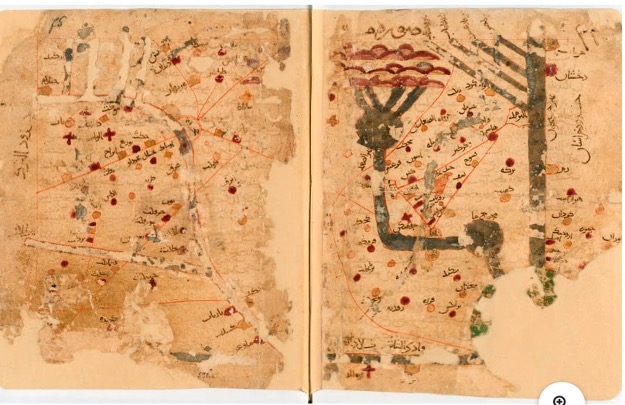
Photo: K. Mamadaliev
Khusniddin Mamadaliev, Kimyo International university in Tashkent, Uzbekistan
Description of the cities of Sogd in the 10th century in Islamic written sources: from wonder to reality
Tenth-century Arabic and Persian geographical works present the cities of Sogd as one of the most remarkable urban landscapes of medieval Mawarannahr or Islamic word. Samarqand, Bukhara and other urban centres were often described through images of extraordinary fertility, abundant water, extensive gardens and prosperous settlements, creating an almost idealized picture of the region. At first glance, such accounts may appear to belong to the literary tradition of wonder and admiration rather than to precise geographical observation. A closer reading of the works of al-Istakhri, Ibn Hawqal, al-Muqaddasi, Narshakhi and others, however, reveals a considerably more complex picture. Alongside expressions of admiration, these authors recorded concrete details concerning city walls and gates, citadels, markets, mosques, canals, roads, surrounding villages and distances between settlements. Particularly revealing are the descriptions of Samarqand, where the urban landscape is presented in close connection with the Sogd River and a highly developed system of water supply, while Bukhara and its surroundings appear as an exceptionally cultivated and densely settled territory. Comparison of these descriptions suggests that the seemingly “marvellous” image of Sogd was not merely a literary construction. Rather, it reflected the authors’ attempts to express the exceptional scale of urbanization, irrigation and agricultural development they encountered or knew through geographical tradition. Thus, tenth-century accounts of Sogdian cities demonstrate an important transition from wonder as a mode of describing an unfamiliar and prosperous land to a more systematic representation of urban reality.
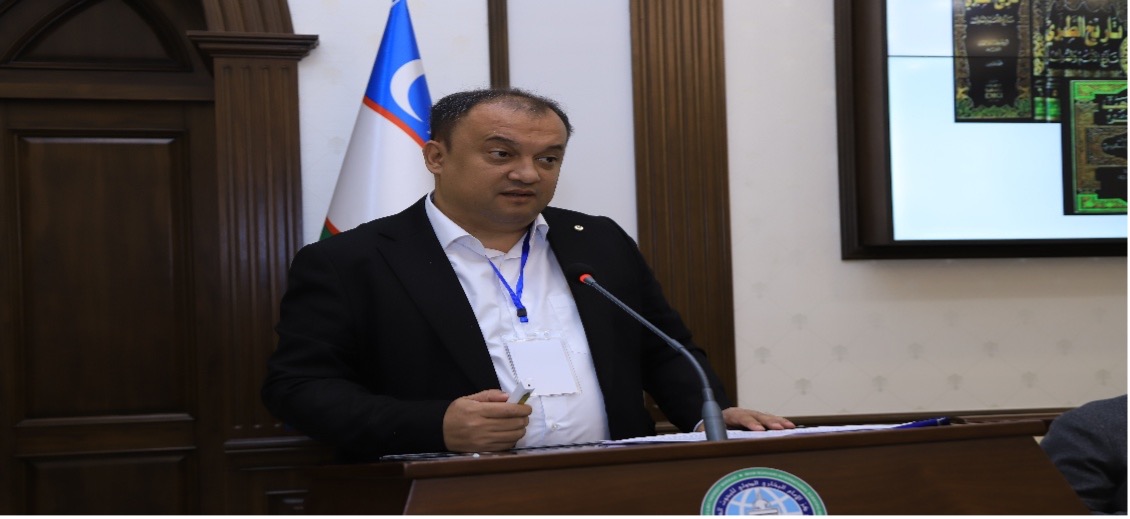
BIO
Khusniddin Mamadaliev is a historian specializing in the medieval history of Central Asia. He graduated from Namangan State University in 1998 and received his Ph.D. in History (kandidat nauk) from the Institute of History of the Academy of Sciences of the Republic of Uzbekistan in 2011. From 2008 to 2024, he worked at the Institute of History of the Academy of Sciences of Uzbekistan. Since 2024, he has been an Associate Professor at Kimyo International University in Tashkent. His research focuses on the ethnic and urban history of Central Asia, medieval state institutions, and written sources in Arabic and Persian. He has published extensively on various aspects of Central Asian history and is the author and co-author of several scholarly books and articles.